Backtesting is often used to evaluate trading ideas by applying rules to historical price data. In longer-term investing or stock trading, it can provide a general sense of behavior over time.
In intraday 0DTE options, the relationship is different.
Backtesting presents price and execution as stable and repeatable. However, 0DTE intraday trading does not behave that way.
A primary difference appears in execution. Backtesting assumes fills at specific prices. In the live session, option pricing is constantly changing. Bid and ask spreads move, liquidity shifts, and the available price can change within seconds.
A contract that appears to trade cleanly through a level on a chart may not have been available at that price in real time. The entry and exit points shown in historical data often do not represent what was actually obtainable during the session. This is primarily what makes backtesting unreliable.
Another difference appears when reviewing completed charts. Backtesting evaluates the day after it has already formed. The full path of price is visible. Highs, lows, and reversals are clearly defined.
During the session, that path is not known. Price develops incrementally, and the structure of the day is still forming. Movement that appears smooth in hindsight often included hesitation, overlap, and temporary reversals while it was occurring.
The sequence of movement also matters. The order in which price moves unfold can influence how the session develops. Backtesting captures the final path, but not how that path formed in real time.
0DTE option pricing adds another layer. Premiums adjust continuously based on time remaining, volatility, and expectations. The same move in the underlying index can produce different option responses depending on when it occurs and how the session has developed.
Over time, a pattern becomes apparent. Backtesting presents a version of the session where price, timing, and execution appear precise. However, intraday 0DTE trading is not experienced that way.
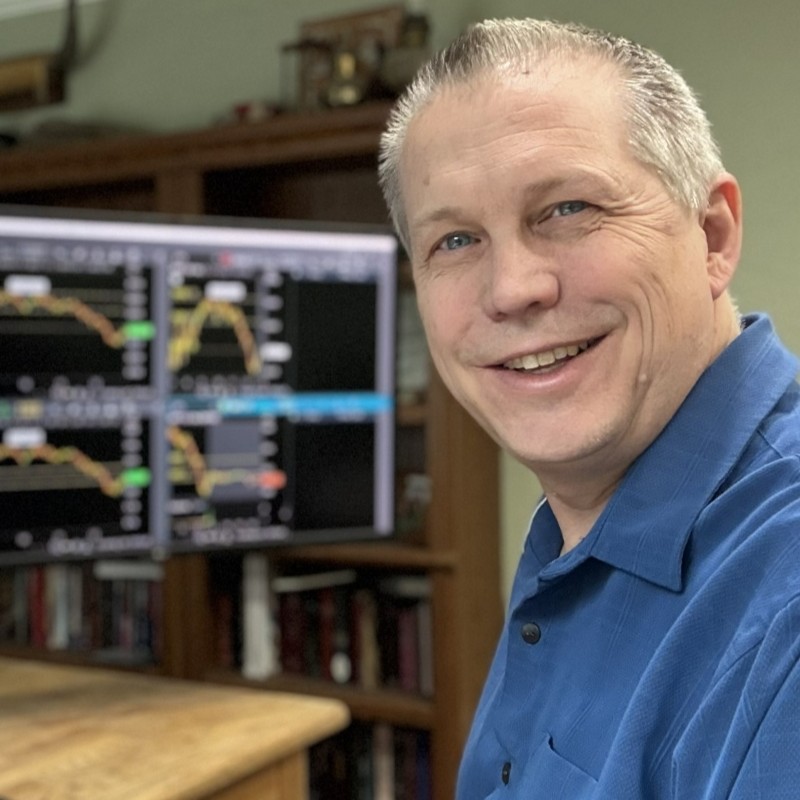
Tim Titus is an intraday index options trader focused on the S&P 500, trading SPX and SPY options, including same-day expiration (0DTE) contracts. He has traded the markets since the late 1990s and specializes in interpreting real-time price movement during the trading session rather than making long-term market predictions.
He studies how the market reacts to key price levels throughout the day, including both the opening period and late-session activity. His work reflects direct market participation and emphasizes risk management and disciplined execution.
In 2016 he founded SPX Option Trader, a subscription service that publishes intraday S&P 500 index options commentary and trade alerts (https://www.spxoptiontrader.com).