0DTE options have expanded rapidly in popularity. The appeal is understandable. Trades resolve quickly and price movement can be significant within a single session. A position opened in the morning can reach its full outcome within hours.
Because these contracts are listed every trading day, many assume they should be traded every trading day.
In practice, experienced intraday traders often approach them selectively.
Short-duration options are less about finding trades and more about recognizing when market conditions justify risk. Availability alone does not create opportunity.
What Makes 0DTE Different
0DTE refers to options that expire the same day they are opened. That single characteristic changes how risk behaves.
Time decay is immediate rather than gradual.
Option pricing is highly sensitive.
Price movement becomes the primary driver of outcome rather than a secondary factor.
When price structure is clear, the contracts can respond cleanly. When structure is unclear, small misinterpretations in price behavior or volatility can lead to losses quickly.
The important point is simple: daily expiration does not mean daily opportunity.
Pricing Matters as Much as Direction
New traders often focus only on direction. They try to determine whether the market will rise or fall. Direction does matter, but in 0DTE trading pricing matters equally.
Premiums expand during uncertainty, particularly after large overnight moves or ahead of scheduled economic events. In those situations a trader is not paying for expected movement, but for potential movement.
This changes the risk relationship. A larger market move is required to offset the higher premium, while time decay continues regardless of direction.
For that reason, traders frequently observe conditions and still decide not to participate.
Event-Driven Volatility
Scheduled announcements can also alter trade quality. Federal Reserve releases often produce long periods of hesitation followed by abrupt movement once the announcement occurs.
For longer-duration positions this volatility can be manageable. For same-day options, pricing can adjust almost instantly. A position can shift from profitable to worthless due solely to repricing rather than analysis being incorrect.
Choosing to remain inactive in these situations is a risk decision, not a missed opportunity.
The Effect of Trade Frequency
One of the largest problems in short-duration options trading is over-participation. Because trades resolve quickly, it is easy to believe more trades improve results.
In reality, additional trades increase exposure to unfavorable conditions. Disciplined traders do not measure success by activity level. They measure it by whether the market structure justified the trade.
Some sessions provide clear price behavior and manageable premiums. Others do not. The ability to remain inactive is part of maintaining both capital and decision clarity.
The Decision Not to Trade
A trading plan defines more than entries and exits. It also defines non-participation.
Intraday traders may monitor markets, analyze price movement, and still choose not to open positions. The decision is made before the outcome of the session is known and is based on price behavior, volatility conditions, and risk structure.
Choosing not to trade is not hindsight.
It is part of the process.
Conclusion
0DTE options are highly sensitive instruments. Their speed creates both opportunity and risk. The distinction between gambling and disciplined trading is not the speed of the contract, but the selectivity of participation.
Professional traders are not defined by constant activity. They are defined by decision quality.
Some sessions provide opportunity. Others provide information.
Both are part of trading.
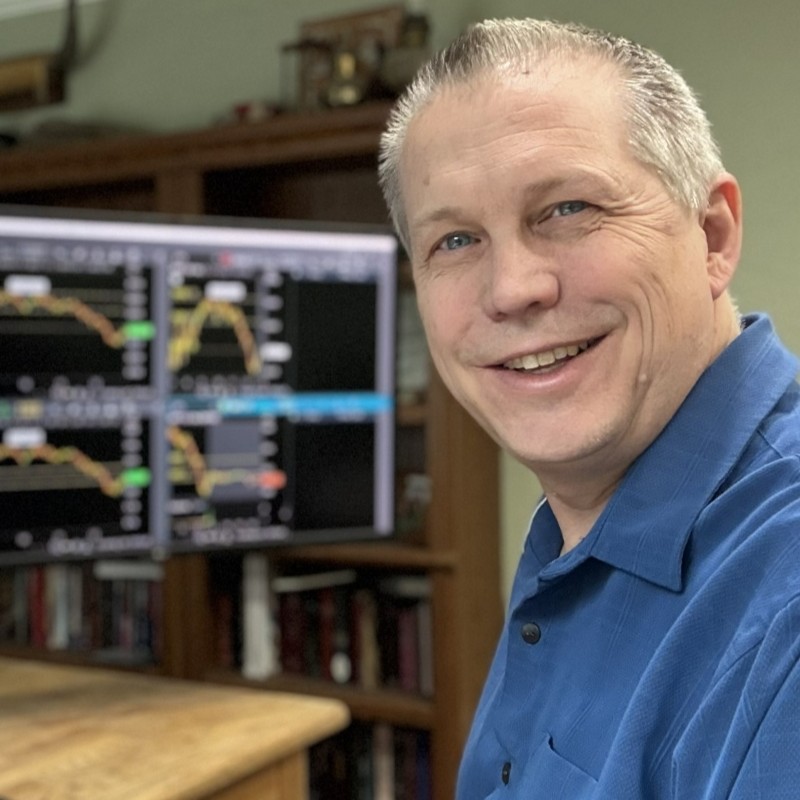
Tim Titus is an intraday index options trader focused on the S&P 500, trading SPX and SPY options, including same-day expiration (0DTE) contracts. He has traded the markets since the late 1990s and specializes in interpreting real-time price movement during the trading session rather than making long-term market predictions.
He studies how the market reacts to key price levels throughout the day, including both the opening period and late-session activity. His work reflects direct market participation and emphasizes risk management and disciplined execution.
In 2016 he founded SPX Option Trader, a subscription service that publishes intraday S&P 500 index options commentary and trade alerts (https://www.spxoptiontrader.com).