Many traders notice the same thing shortly after the opening bell. They look at the SPX or SPY option chain and premiums appear expensive relative to what the index is doing. Small movements in price can correspond with large option values, and trades that look reasonable on the chart can behave differently once entered.
This behavior is not random and it is not a platform issue. It is a normal characteristic of how options are priced at the start of the trading day, particularly with same-day expiration (0DTE) contracts.
Understanding the opening period requires recognizing that early-session pricing conditions often matter as much as market direction.
What Develops Before the Opening Bell
SPX options can trade outside regular U.S. market hours, but overnight participation is fundamentally different from the regular session. Liquidity is thinner and many institutions wait for the equity market to open before establishing exposure.
During the overnight period, information accumulates: global market movement, economic releases, positioning, and sentiment. By the time the regular session begins, several things remain unknown:
• whether the overnight gap will continue or reverse
• whether buyers or sellers will dominate the session
• how wide the first hour’s range may become
Market makers must still quote options immediately at the open. Because they are obligated to provide liquidity, contracts are priced based on expected movement rather than confirmed movement.
At the open, option prices reflect potential range more than current price.
Why 0DTE Contracts Amplify the Effect
This pricing behavior exists in all options, but 0DTE contracts magnify it.
Longer-dated options allow time for the market to stabilize and trends to develop. Short-term uncertainty matters less because conditions can change over multiple sessions.
With 0DTE options, the entire life of the contract occurs within a single trading day. A move during the first hour can determine the day’s outcome. Because that possibility exists, pricing must incorporate a wide range of outcomes from the start.
As a result, premiums often begin the day elevated relative to the index level.
This is why price can move in the anticipated direction while the option initially responds slowly. The contract already reflected the possibility of movement.
The Role of Early-Session Volatility
The open is typically the most uncertain portion of the trading day. Overnight positioning is still being adjusted, institutions are committing capital, and traders are reacting to new information.
Higher uncertainty produces higher implied volatility, and higher volatility leads directly to higher option premiums. Option pricing reflects expected movement, not only direction.
As the market begins forming structure and participation becomes clearer, that uncertainty decreases.
Why Premiums Change Quickly After the Open
After the open, the market starts defining a range. Support and resistance levels become visible and order flow stabilizes. Option pricing adjusts as expectations narrow.
Sometimes premiums contract because expected movement decreases. Other times contracts respond rapidly once directional commitment becomes clearer. Both behaviors originate from the same process: uncertainty is being resolved.
This is why early option behavior can appear disconnected from the chart. The contract is reacting to changing expectations, not only to price.
Observations About Trading Conditions
Early trading is not solely a question of direction. It is also a question of whether pricing conditions allow risk to be defined.
Some mornings, elevated premiums reflect genuine uncertainty and participation becomes difficult to manage. Other mornings, the market establishes structure quickly and pricing aligns with observable behavior.
The difference is often subtle. Not every session presents the same conditions, even though the market is open each day.
Because 0DTE options have only hours remaining, early price behavior often influences outcomes more than later movement.
Conclusion
At the open, option prices primarily reflect uncertainty. As the session develops and structure forms, pricing behavior becomes easier to interpret.
In short-duration options, both direction and price paid matter. The opening period is less about prediction and more about observing how participants respond to evolving conditions.
Learning how option pricing behaves during the opening period often explains why some sessions produce orderly movement while others do not.
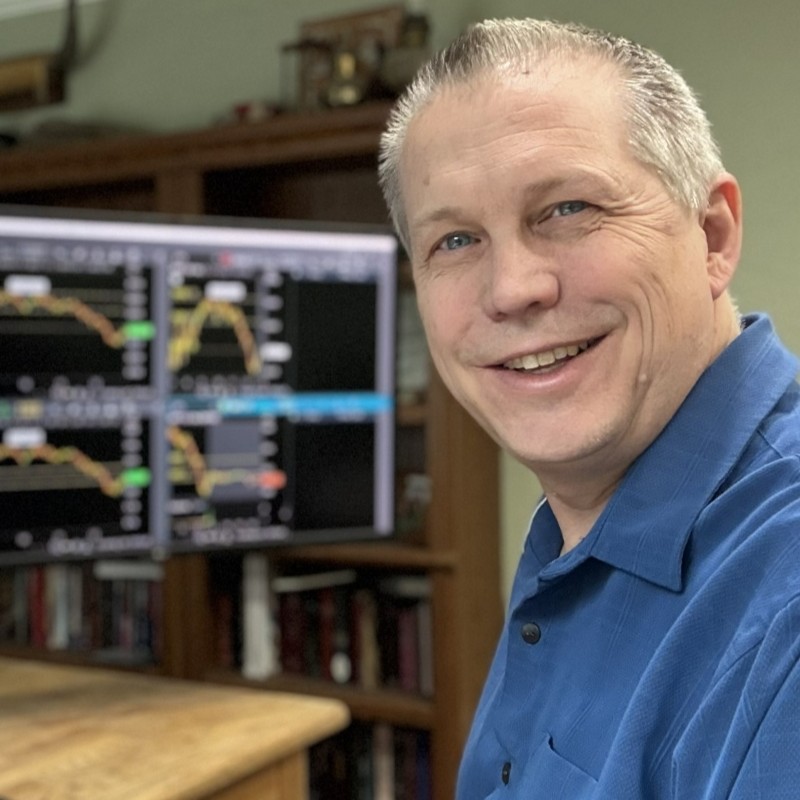
Tim Titus is an intraday index options trader focused on the S&P 500, trading SPX and SPY options, including same-day expiration (0DTE) contracts. He has traded the markets since the late 1990s and specializes in interpreting real-time price movement during the trading session rather than making long-term market predictions.
He studies how the market reacts to key price levels throughout the day, including both the opening period and late-session activity. His work reflects direct market participation and emphasizes risk management and disciplined execution.
In 2016 he founded SPX Option Trader, a subscription service that publishes intraday S&P 500 index options commentary and trade alerts (https://www.spxoptiontrader.com).